
DEPARTMENT
clothing industry

WELDERING
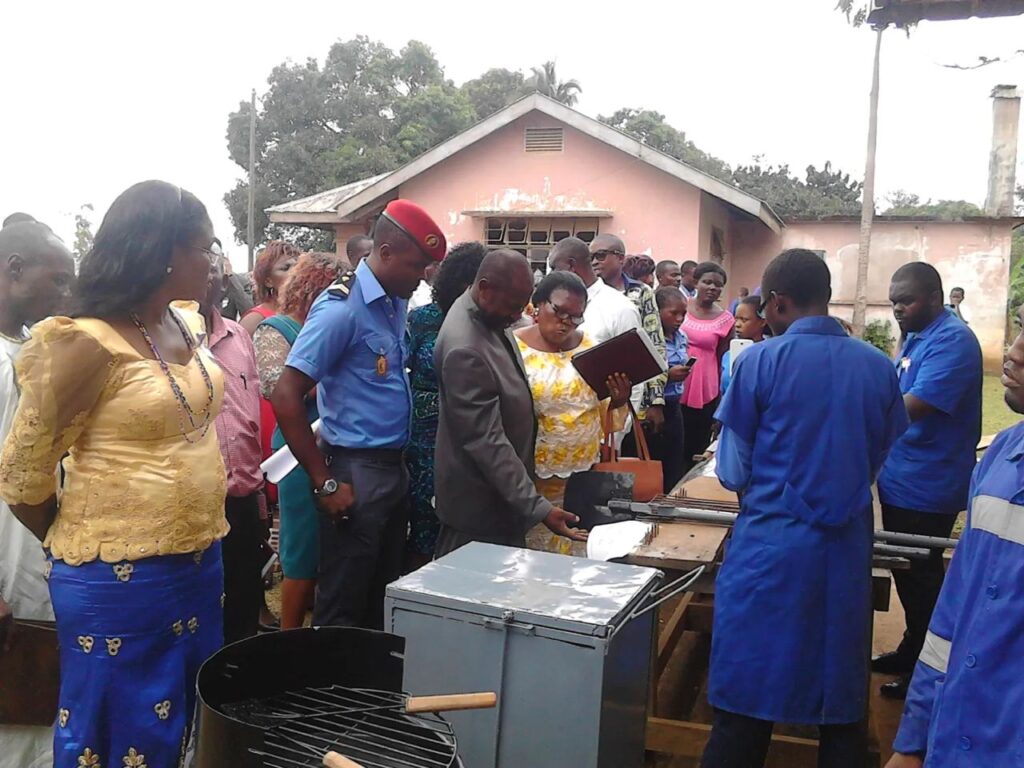
Welding Department is a specialized unit within manufacturing or construction responsible for fusing metal components to create structural products. Its operations are built on three main pillars:
1. Core Structure & Roles
The department relies on a hierarchy of skilled professionals:
* Supervisors: Manage deadlines and technical blueprints.
* Welders & Fabricators: Execute the manual or robotic assembly and prep work.
* Inspectors (CWI): Ensure every joint meets strict safety and quality codes.
2. The Production Workflow
Work typically follows a disciplined, step-by-step process:
* Preparation & Fit-Up: Cleaning, cutting, and clamping metal into place.
* Tacking: Creating temporary “spot welds” to hold a shape.
* Final Production: Using heat (MIG, TIG, or Stick metho…
INDUSTRIAL COMPUTING
Industrial computing is a specialized field that bridges the gap between traditional Information Technology (IT) and Operational Technology (OT). While a standard IT department focuses on office productivity and data management, an Industrial Computing department is dedicated to the systems that control and monitor physical manufacturing and utility processes.
Core Focus Areas
The department typically manages the integration of software and hardware to automate industrial environments

CIVIL ENGINEERING
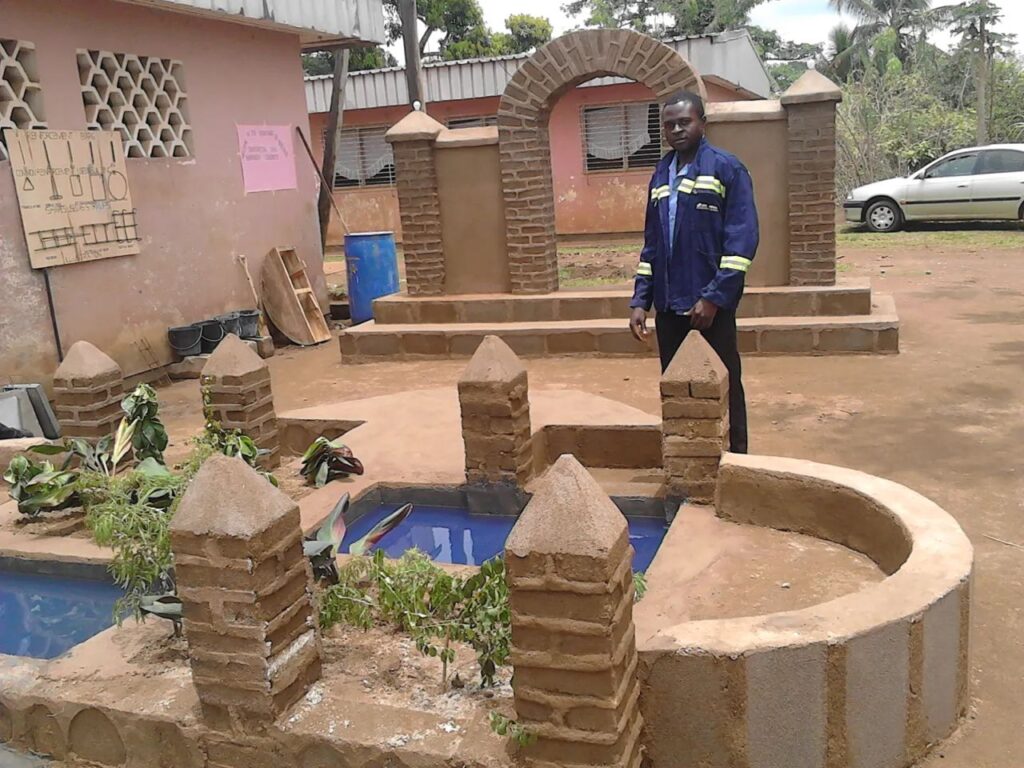
Civil engineering is one of the oldest and broadest engineering disciplines, focusing on the design, construction, and maintenance of the physical and naturally built environment. A Civil Engineering department at a university or within a firm typically manages the infrastructure that modern society relies on to function safely and efficiently.
ACCOUNTING

The Accounting Department serves as the financial heartbeat of an organization, transforming raw transaction data into a clear narrative of fiscal health. Responsible for managing both the inflow (Accounts Receivable) and outflow (Accounts Payable) of capital, this team ensures that vendors are paid, employees are compensated through accurate payroll, and the company remains in strict compliance with tax laws and regulatory standards.
Beyond basic record-keeping, the department acts as a strategic navigator for the business. By “closing the books” and generating vital financial statements—such as Balance Sheets and Income Statements—they provide the data necessary for executive budgeting, risk management, and long-term forecasting. Ultimately, the accounting…

AGRICULTURE
Electrical power system
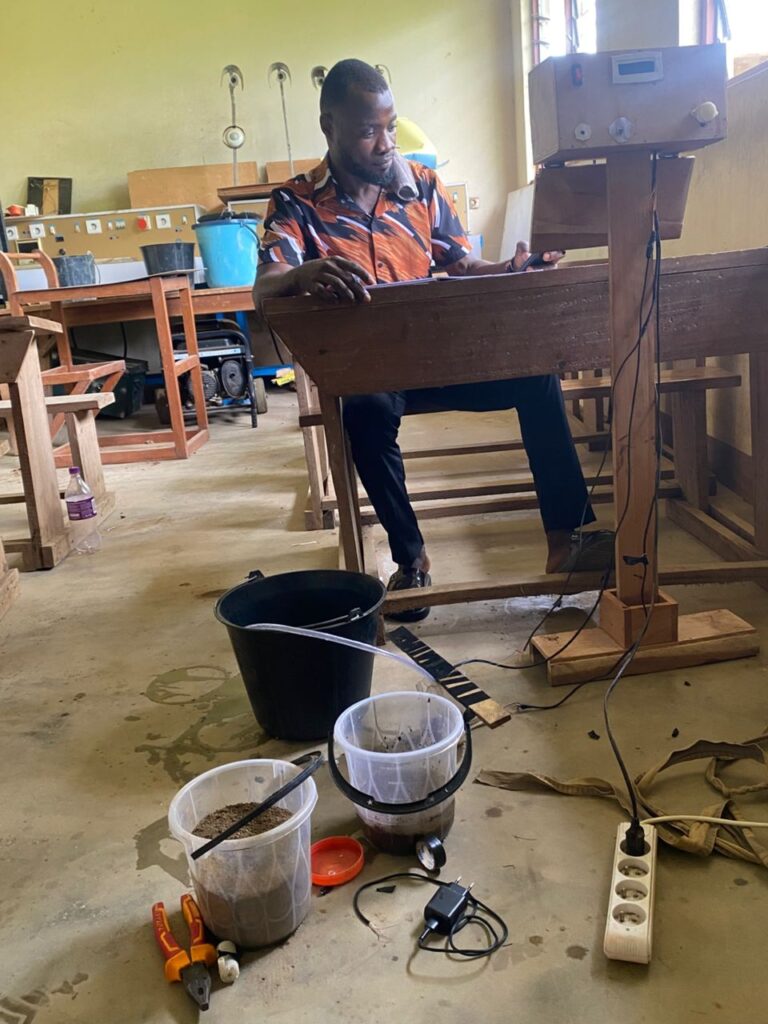
Electrical power system research focuses on enhancing grid sustainability, reliability, and efficiency through smart grids, renewable integration, and AI-driven control. Key areas include decentralized energy management, HVDC/FACTS, electric vehicle charging infrastructure, cybersecurity, and advanced protection systems for microgrids
HOME ECONOMICS
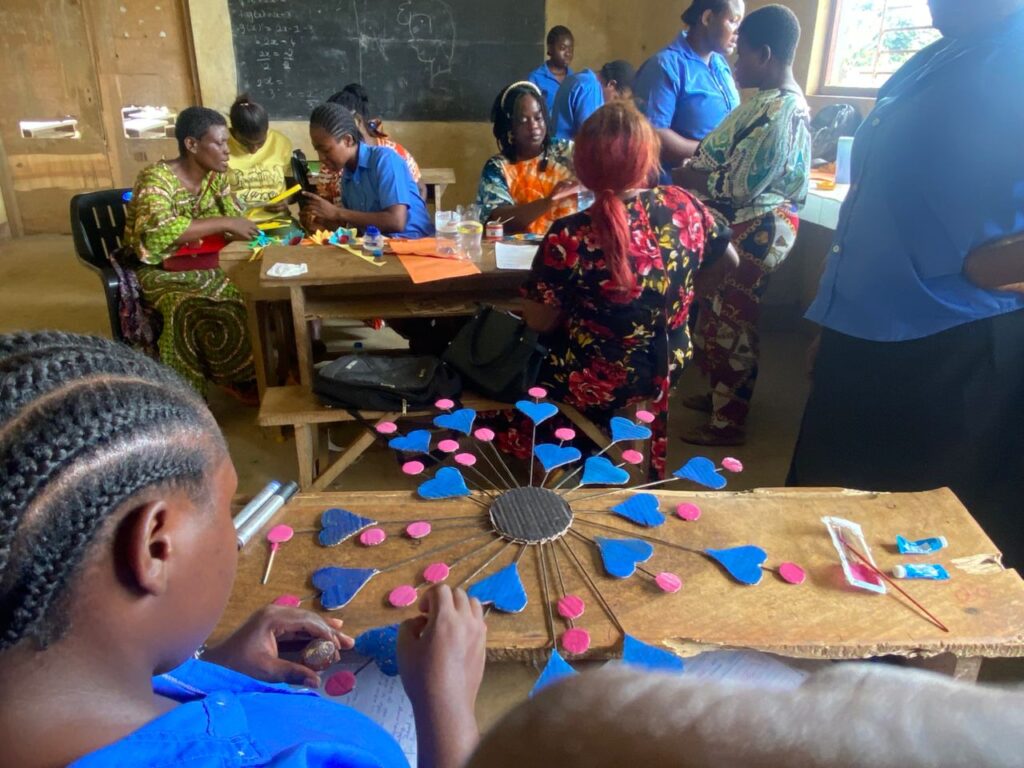
Empowering Lives Through Practical Science
The Home Economics Department is a multidisciplinary academic hub dedicated to improving the quality of life for individuals and families. By blending scientific theory with essential life skills, the department bridges the gap between the classroom and the real world.
Core Focus Areas
* Food & Nutrition: Advanced culinary arts, dietetics, and food safety.
* Clothing & Textiles: Fiber science, garment construction, and sustainable fashion.
* Human Development: Life-cycle psychology and family resource management.
* Home Management: Budgeting, consumer rights, and interior design.
Our Mission
To cultivate functional literacy and entrepreneurship. We transform daily living into a rigorous discipline, preparing students fo…
woodwork
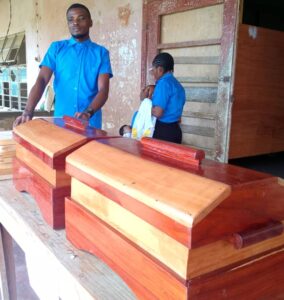
woodwork department is a specialized space—whether in an industrial, educational, or artistic setting—dedicated to the manipulation and transformation of wood into functional or decorative objects. It balances traditional hand-tool mastery with modern machinery to execute projects ranging from fine cabinetry to structural components.
Core Functions & Capabilities
The department typically operates through a workflow of milling, joinery, and finishing. Its primary roles include:
* Material Selection: Assessing wood species (hardwoods vs. softwoods) for grain pattern, structural integrity, and moisture content.
* Precision Cutting: Utilizing advanced machinery to dimension raw lumber into usable components.
* Joinery: Creating strong, often invisible connections (….